
When it comes to interior painting, achieving a lasting finish requires more than just choosing the right color. Each room in your home has its own unique set of challenges and considerations that can impact the final outcome. With careful planning and attention to detail, you can ensure that your paint job not only looks great but also stands the test of time.
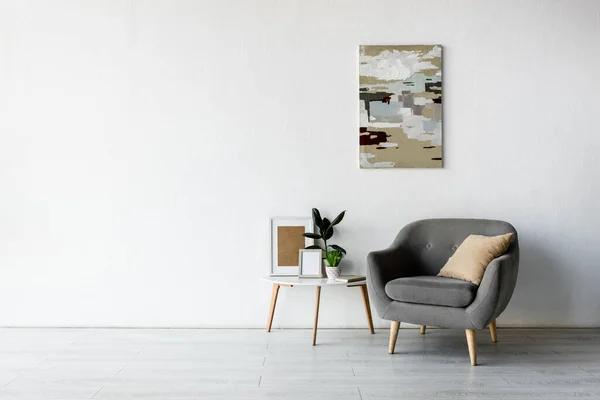
Starting with the living room, it’s essential to consider both natural and artificial lighting when selecting paint colors. Light affects how colors appear throughout the day, so test different shades on your walls before committing. A flat or matte finish is often ideal for living rooms as it hides imperfections well while providing a soft look. However, if durability is a concern due to high traffic or children, an eggshell finish offers more resistance without too much shine.
In kitchens and bathrooms, moisture-resistant paints are crucial due to humidity levels in these areas. Semi-gloss or satin finishes are recommended because they repel moisture better than flat finishes and are easier to clean—important qualities for spaces prone to spills and splatters. Pay special attention to corners and edges where water might seep in; applying a quality primer beforehand can help seal see the site these vulnerable spots.
Bedrooms offer more flexibility with color choices since they’re personal spaces meant for relaxation. Opt for calming hues like blues or greens which promote tranquility and restfulness. If you’re painting a child’s bedroom, consider using washable paint that allows easy cleaning of any creative messes they might make on their walls.
For hallways and corridors which experience frequent use, durability should be prioritized over aesthetics alone. High-traffic areas benefit from paints with higher gloss levels such as satin or semi-gloss finishes because they withstand wear-and-tear better than matte options do.
In dining rooms where ambiance matters greatly during meals shared with friends or family gatherings alike – warmer tones create inviting atmospheres whereas cooler ones lend sophistication depending upon desired effect! Consider experimenting by adding accent walls using complementary shades alongside main wall color choice if looking something extra special yet subtle simultaneously within same space altogether!
Finally don’t forget ceilings: While typically painted white maintain neutrality across all settings possible exceptions include when wanting draw eye upward emphasize architectural features moldings etc.; here lighter versions existing wall palette work wonders achieving cohesive look overall without overwhelming senses unnecessarily either way around!
By taking into account specific needs each individual area within home following tailored tips outlined above accordingly chances significantly increase obtaining beautiful enduring results everyone will admire appreciate long after initial application process complete!