
In today’s rapidly evolving business landscape, fire safety has emerged as a critical component of risk management for modern enterprises. As businesses grow and diversify, the potential risks associated with fires increase, necessitating comprehensive strategies to mitigate these hazards. Business owners must adopt proactive measures to ensure the safety of their employees, protect valuable assets, and maintain operational continuity.
Fire safety in a business context involves more than just installing smoke detectors and fire extinguishers. It requires an integrated approach that encompasses risk assessment, employee training, regular maintenance of equipment, and adherence to regulatory standards. The first step in effective fire safety management is conducting a thorough risk assessment. This involves identifying potential fire hazards within the workplace and evaluating the likelihood and impact of such events occurring. By understanding these risks, business owners can implement targeted strategies to reduce them.
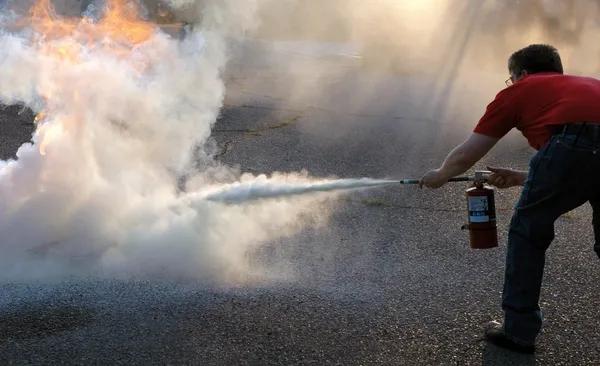
Employee training is another crucial aspect of fire safety management. Employees should be well-informed about emergency procedures and know how to respond effectively in case of a fire outbreak. Regular drills can help reinforce this knowledge, ensuring that everyone knows their role during an emergency situation. Additionally, having designated personnel trained in using firefighting equipment can significantly enhance response times during incidents.
Regular get more comprehensive information maintenance of firefighting equipment is essential for ensuring its functionality when needed most. Fire alarms, sprinklers systems, extinguishers, and other related devices should be inspected frequently by qualified professionals to ensure they meet current standards and operate optimally.
Compliance with local regulations is non-negotiable when it comes to fire safety in businesses. Adhering to building codes and industry-specific guidelines not only ensures legal compliance but also enhances the overall safety posture of an organization.
Investing in modern technology solutions can further bolster a company’s fire safety strategy. Advanced systems like smart sensors capable of detecting smoke or heat changes early on provide real-time alerts that enable swift action before situations escalate into major incidents.
Moreover, integrating digital tools such as cloud-based monitoring platforms allows for continuous oversight over multiple locations simultaneously—an invaluable asset for businesses operating across various sites globally.