
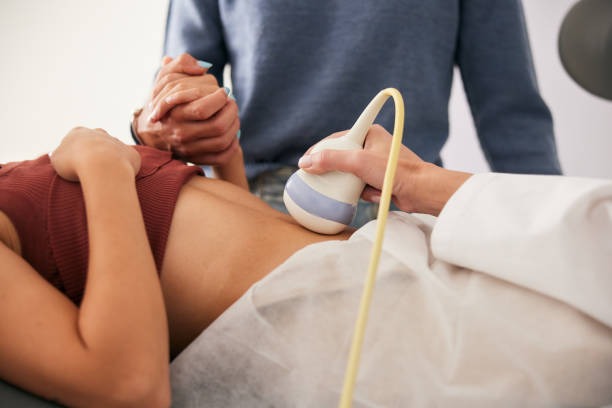
Endometrial thickness plays a crucial role in the success of in vitro fertilization (IVF) procedures. The endometrium is the lining of the uterus where an embryo implants and begins to grow, making its condition vital for achieving pregnancy. During IVF treatment, monitoring the thickness of this lining helps fertility specialists assess whether the uterine environment is suitable for embryo transfer. Typically, an optimal endometrial thickness ranges between 7 to 14 millimeters on the day of ovulation or embryo transfer. Thickness outside this range can affect implantation rates and reduce the chances of pregnancy.
A thin endometrium, generally less than 7 millimeters, is often associated with lower implantation success. This may occur due to insufficient blood flow or hormonal imbalances that hinder proper development of the uterine lining. Thin linings may be caused by factors such as previous uterine surgeries, infections, or prolonged use of certain medications like clomiphene citrate. When a treatment of thin endometrium is detected during IVF cycles, clinicians might delay embryo transfer and employ treatments aimed at improving lining thickness before proceeding further.
On the other hand, excessively thickened endometrium above 14 millimeters can also pose challenges for successful implantation. A very thick lining could indicate hormonal irregularities or underlying conditions such as polyps or hyperplasia that disrupt normal embryonic attachment processes. In some cases, embryos transferred into an overly thickened uterus might fail to implant properly despite good-quality embryos being used.
Ultrasound imaging serves as a primary tool for measuring endometrial thickness throughout IVF cycles because it provides real-time information about uterine receptivity without invasive procedures. Fertility specialists perform transvaginal ultrasounds regularly during ovarian stimulation and just prior to egg retrieval or embryo transfer to ensure readiness for implantation.
In addition to thickness measurements, other factors like endometrial pattern and blood flow are evaluated since they contribute collectively toward creating a receptive environment for embryos. While adequate thickness increases likelihood of pregnancy success statistically across many patients undergoing IVF treatment, individual responses vary widely depending on overall reproductive health.
Improving suboptimal endometrial conditions involves various strategies including hormone supplementation with estrogen or progesterone, low-dose aspirin to enhance blood circulation within uterine tissues, and lifestyle modifications focused on reducing stress and promoting cardiovascular health. Some clinics explore alternative therapies such as platelet-rich plasma injections directly into the uterus aiming at regenerating damaged tissue but evidence remains limited.
Ultimately, understanding and optimizing endometrial thickness enhances decision-making during IVF cycles by helping identify when conditions are most favorable for embryo transfer while minimizing risks associated with poor implantation environments.
Head Office
168, BSNL Road, Near BSNL office, Sector 3, Hiran magri, Udaipur, Rajasthan 313001
Call
+91 90018 38800
+91 90019 97440
Email Us
dralkaivf01@gmail.com
Operating Hours
Mon – Sat 9 AM – 6 PM
Sunday 9 AM – 4 PM