
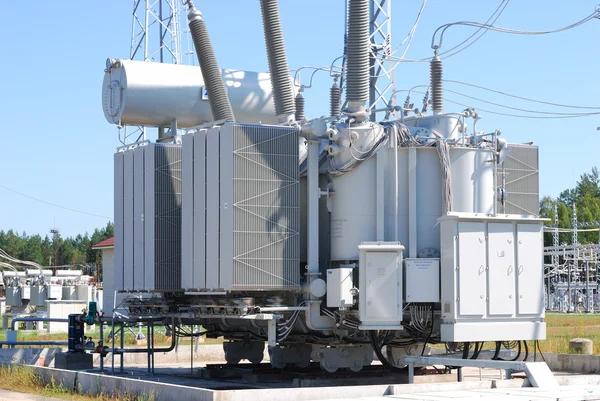
Transformer blast walls play a crucial role in enhancing safety and reducing blast damage in industrial settings where transformers are used. These structures are strategically designed to protect both personnel and equipment from the catastrophic effects of transformer explosions, which can occur due to electrical faults, overheating, or other unforeseen incidents.
The primary function of transformer blast walls is to act as a barrier that absorbs and deflects the energy released during an explosion. By doing so, they help contain the blast within a specific area, preventing it from spreading and causing widespread damage. This containment is vital in minimizing the risk of injury to workers and reducing potential damage to adjacent equipment and infrastructure.
Constructed from robust materials such as reinforced concrete or steel, Transformer Blast Walls are engineered to withstand high levels of pressure and heat generated by explosions. Their design often includes features like angled surfaces or baffles that aid in redirecting explosive forces upwards or away from critical areas. This strategic redirection helps dissipate energy more effectively, further mitigating the impact on surrounding environments.
In addition to their protective capabilities during explosions, these walls also serve as fire barriers. Transformer fires can reach extremely high temperatures; thus, having a structure capable of withstanding intense heat for extended periods is essential. The fire-resistant properties of transformer blast walls ensure that flames do not spread beyond their intended boundaries, allowing time for emergency response teams to manage the situation safely.
Furthermore, incorporating transformer blast walls into facility designs aligns with regulatory standards and industry best practices aimed at ensuring safety in high-risk environments. Compliance with these guidelines not only protects human life but also shields companies from legal liabilities associated with accidents or non-compliance penalties.