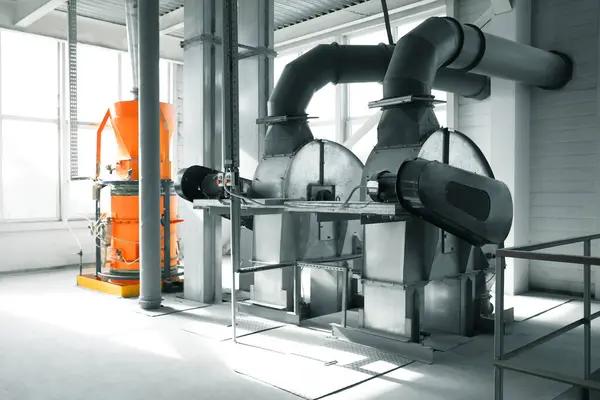
Installing a furnace and an invest system in modern homes is a crucial step toward ensuring efficient heating and energy management. A furnace serves as the primary source of warmth during colder months, while an invest system typically refers to smart investments in technology or infrastructure that enhance home energy efficiency, such as programmable thermostats or advanced insulation. Understanding the installation process, key considerations, and benefits can help homeowners make informed decisions that improve comfort and reduce utility costs.
The first step in furnace installation involves selecting the right unit for your home’s size and heating requirements. Furnaces come in various types, including gas, electric, oil-fired, and propane models. Each type has distinct advantages depending on local fuel availability, cost-effectiveness, and environmental impact. Accurate sizing is essential because an undersized furnace will struggle to heat the space adequately, whereas an oversized one may cycle too frequently, causing inefficiency and wear. Consulting with HVAC professionals ensures proper load calculations based on square footage, insulation quality, window placement, and climate conditions.
Once the appropriate furnace is chosen, professional installation begins by positioning it near existing ductwork or planning new ducts if necessary. Proper ventilation must be established to safely exhaust combustion gases outside while maintaining view full article indoor air quality. The installer will connect electrical components securely to power the blower motor responsible for circulating warm air throughout the house. Additionally, installing carbon monoxide detectors near furnaces using combustion fuels is vital for safety.
Integrating an invest system often means upgrading controls with smart thermostats or sensors that optimize temperature settings automatically according to occupancy patterns or weather forecasts. These systems can significantly lower energy consumption by avoiding unnecessary heating when no one is home or adjusting temperatures gradually rather than abruptly. Some advanced setups include zoning capabilities where different rooms maintain individual temperatures tailored to user preferences.
Energy-efficient upgrades complementing furnace installation might involve sealing leaks around doors and windows or adding insulation within walls and attics to retain heat better inside living spaces. Such measures reduce demand on heating equipment while enhancing overall comfort levels year-round.
After completing both installations successfully, thorough testing ensures everything operates smoothly without leaks or malfunctions before handing over control to homeowners who benefit from enhanced warmth combined with intelligent energy use strategies designed specifically for modern living environments.
Regular maintenance following these installations extends equipment lifespan through periodic inspections of filters cleaning ducts checking thermostat calibration ensuring safe operation thereby maximizing return on investment made into these critical home systems keeping residents comfortable efficiently throughout seasonal changes ahead.