
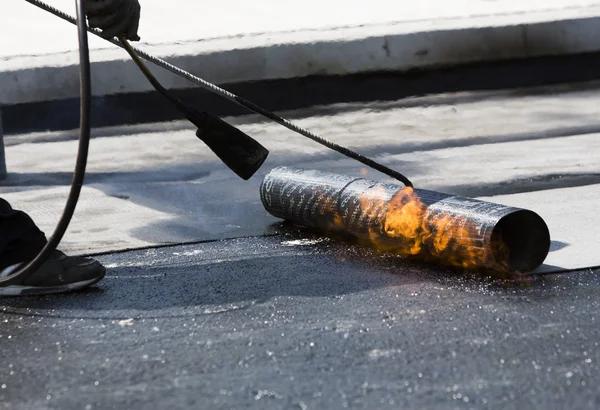
Waterproofing is an essential aspect of home maintenance, providing protection against water damage that can lead to costly repairs. Whether you’re dealing with a leaky basement or damp walls, implementing effective DIY waterproofing techniques can save you both time and money. Here are some practical tips to ensure your home remains dry and safe from water intrusion.
First, it’s crucial to identify the source of the moisture. Common culprits include poor drainage systems, cracks in the foundation, or inadequate sealing around windows and doors. Once you’ve pinpointed the problem areas, you can begin addressing them with suitable solutions.
Henrico waterproofing
One of the most effective ways to prevent water infiltration is by ensuring proper drainage around your home’s foundation. Start by cleaning out gutters regularly and extending downspouts at least five feet away from your house. This will direct rainwater away from the foundation, reducing the risk of seepage into basements or crawl spaces.
Sealing cracks in walls and foundations is another vital step in waterproofing your home. Use a high-quality concrete sealant for minor cracks; this will prevent water from entering through these vulnerable points. For larger gaps or persistent leaks, consider using hydraulic cement which expands as it dries, effectively filling voids and stopping explore solutions leaks.
Basement waterproofing is particularly important due to its susceptibility to flooding and moisture accumulation. Applying a waterproof coating on basement walls can create an impermeable barrier against groundwater intrusion. These coatings are often easy to apply with a brush or roller and provide long-lasting protection when applied correctly.
Don’t overlook windows and doors as potential entry points for water. Ensure that all seals are intact; replace any damaged weatherstripping promptly to maintain their effectiveness against rainwater penetration.
For those living in regions prone to heavy rainfall or flooding, installing a sump pump might be necessary as part of your waterproofing strategy. A sump pump helps remove accumulated water from basements before it causes significant damage—especially useful during prolonged wet periods when natural drainage systems may become overwhelmed.
In addition to these measures inside your home’s structure itself—consider landscaping adjustments outside too! Grading soil so that it slopes away rather than towards buildings ensures surface runoff doesn’t pool next-to foundations where risks increase exponentially over-time without intervention!
Lastly but importantly: regular inspections should never be underestimated—they allow early detection/prevention efforts which ultimately reduce potential future problems/costs associated with unchecked moisture build-up/damage scenarios within residential properties everywhere today tomorrow alike!
Capps Crawlspace and Construction
1953 River Rd Unit C, Henrico, NC 27842
252-308-2231